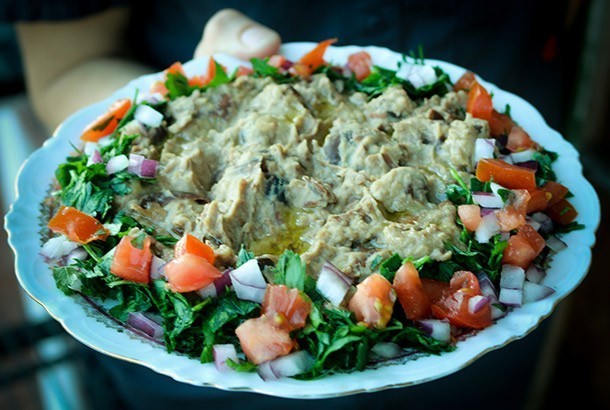
Ful Medames: A Timeless Middle Eastern Staple for Every Palate
Across the vibrant culinary landscape of the Middle East, few dishes hold as much reverence and widespread appeal as Ful Medames. This humble yet profoundly satisfying fava bean stew is not merely a meal; it's a cultural cornerstone, a symbol of communal dining, and a testament to the power of simple ingredients prepared with care. Pronounced "fool med-am-es," this ancient dish is celebrated from the bustling streets of Cairo to the serene homes of Beirut, and its reputation as "the rich man’s breakfast, shopkeeper’s lunch, and pauper’s supper" speaks volumes about its universal charm and accessibility.
At its heart, a classic
ful medames recipe features slow-cooked fava beans, infused with aromatic garlic, bright lemon juice, and rich extra virgin olive oil. While the core elements remain consistent, the beauty of ful medames lies in its incredible versatility, allowing for regional variations and personal touches that make each bowl a unique experience. Whether you're seeking a hearty breakfast, a nourishing brunch, or a satisfying vegan meal, ful medames delivers on all fronts.
The Enduring Legacy and Cultural Significance of Ful Medames
The story of ful medames stretches back through millennia, with some food historians tracing its origins to the time of the pharaohs in ancient Egypt. Indeed, Egypt is widely acknowledged as the epicentre of ful medames culture, where it holds the esteemed title of the national dish. Its deep historical roots are reflected in its persistent presence in daily life, serving as an anchor in the rhythm of Middle Eastern cuisine.
More than just sustenance, ful medames plays a significant role in cultural and religious practices. It is a particularly popular choice for
sahur (the pre-dawn meal) during the holy month of Ramadan, owing to its remarkably filling and nourishing qualities. The fava beans, rich in complex carbohydrates and protein, provide sustained energy, helping to keep hunger at bay during the daylight fast. Beyond Ramadan, it remains a beloved breakfast or brunch item, often enjoyed with family and friends, scooping up the creamy beans with warm pita bread. This simple bean stew embodies comfort, tradition, and the spirit of shared meals.
Understanding the Star Ingredient: Fava Beans
Central to any authentic
ful medames recipe are fava beans, botanically known as
Vicia faba. These legumes are among the most ancient cultivated crops globally, revered for their nutritional value and adaptability. While young, green fava beans are a springtime delicacy, typically eaten shelled as a fresh vegetable, it is the mature, dried seeds that form the foundation of ful medames. These dried beans, also known as faba beans or horse beans, are available year-round, ensuring that this cherished dish can be enjoyed at any time.
Fava beans are a nutritional powerhouse. They are an excellent source of:
*
Complex Carbohydrates: Providing sustained energy release.
*
Protein: Making it a fantastic plant-based protein source, particularly important for vegetarian and vegan diets.
*
Dietary Fibre: Promoting digestive health and contributing to that satisfying feeling of fullness.
The specific variety often favoured for ful medames in Egypt is a smaller, rounder bean known as
ful hammam. These beans cook down to a wonderfully creamy consistency, essential for the dish's characteristic texture. Whether you opt for dried or canned versions, understanding the fava bean is the first step to mastering your ful medames.
Crafting Your Perfect Ful Medames Recipe: Core Elements & Variations
While its essence lies in simplicity, creating the perfect ful medames is an art form with endless variations. The universal threads that tie all
ful medames recipes together are the fava beans themselves, along with fresh garlic, tangy lemon juice, and a generous drizzle of extra virgin olive oil. Beyond these, the path diverges, inviting personal preference and regional flair.
Preparing the Fava Beans: Dried vs. Canned
The choice between dried and canned fava beans largely dictates the preparation time and effort involved.
*
Traditional Method with Dried Fava Beans:
Traditionally, ful medames is made with dried fava beans, which are slowly cooked, often overnight, in specialised copper pots called
qidras, yielding a rich, deeply flavoured stew. If using dried beans, meticulous preparation is key:
- Picking and Washing: Carefully sort through the dried beans to remove any debris, then wash them thoroughly under cold water.
- Soaking: Submerge the beans completely in water overnight (at least 8-12 hours). This significantly reduces cooking time and aids digestion. Discard the soaking water and rinse the beans before cooking.
- Cooking Options:
- Pressure Cooker: For efficiency, combine the soaked and rinsed beans with about 2 cups of water per cup of dry beans in a pressure cooker. Cook for approximately 30 minutes after reaching pressure, then allow the pressure to release naturally.
- On the Hob: Place the soaked beans in a large pot with a fresh batch of water. Simmer on low heat for 1 to 1.5 hours, or until the beans are exceptionally tender and creamy.
This method results in unparalleled depth of flavour and a rustic texture. If you're ready to dive deeper and master the art of both preparation methods, our guide on
Master the Creamy Egyptian Ful Medames (Dried or Canned) offers comprehensive insights.
*
Convenient Method with Canned Fava Beans:
For those seeking a swift and satisfying meal, an
Easy Egyptian Ful Medames: Canned Fava Bean Recipe is an excellent starting point. Canned fava beans drastically cut down on prep time without sacrificing much flavour.
- Rinsing: Drain the canned fava beans in a colander and rinse them thoroughly under cold running water to remove excess sodium and preserve liquid.
- Simmering: Transfer the rinsed beans to a saucepan with a splash of water (about half a cup per can) and gently simmer over low heat until heated through and slightly softened, allowing them to absorb any added seasonings.
Flavoring and Texture: The Heart of the Recipe
Once your fava beans are tender, the real magic begins.
*
Garlic and Lemon: These are non-negotiable. Finely chopped or crushed garlic adds pungency, while freshly squeezed lemon juice brightens the entire dish.
*
Olive Oil: A generous drizzle of good quality extra virgin olive oil is essential, not just as a dressing but as an integral part of the flavour profile, adding richness and a silky mouthfeel.
*
Spices: Ground cumin is the most common spice, lending an earthy, warm flavour that perfectly complements the beans. Some recipes might include a pinch of chili powder for a subtle kick.
*
Texture: Some prefer their ful medames with the beans mostly whole, offering a heartier bite. Others mash a portion of the beans with a fork or potato masher directly in the pot, creating a creamier, more homogenous consistency. There's no right or wrong; it's entirely a matter of personal preference.
Elevating Your Ful: Essential Toppings and Serving Suggestions
One of the most exciting aspects of ful medames is the array of toppings that can transform a simple bowl into a vibrant feast. These additions not only enhance the flavour but also add texture and visual appeal, making each spoonful an adventure.
Common and celebrated toppings include:
*
Fresh Herbs: Finely chopped fresh parsley or coriander (cilantro) adds a burst of freshness.
*
Diced Vegetables: Freshly diced tomatoes, finely chopped onions, or thinly sliced radishes provide crunch and tang.
*
Pickled Vegetables: Pickled peppers, turnips, or cucumbers offer a delightful sour counterpoint.
*
Other Legumes: Some variations include cooked chickpeas, adding another layer of texture and protein.
*
Dairy/Egg Additions: A dollop of creamy tahini sauce is a popular addition in some regions, while hard-boiled or fried eggs are a common and satisfying topping.
*
Spicy Elements: A sprinkle of chili flakes or a spoonful of a hot sauce like
shatta adds a fiery kick.
*
Regional Specialties: Even small portions of Egyptian falafel (ta'ameya) or olives can find their way onto a ful medames platter.
The traditional way to enjoy ful medames is by scooping it up with warm pita bread. It's often served as part of a larger breakfast spread, alongside other Middle Eastern mezze items like fresh vegetables, labneh, and cheeses. Don't be shy about experimenting with different combinations of toppings; they are truly what make each
ful medames recipe uniquely yours.
Conclusion
Ful Medames is more than just a fava bean stew; it's a testament to the rich culinary heritage of the Middle East, offering a dish that is deeply satisfying, incredibly nutritious, and remarkably versatile. From its ancient Egyptian origins to its current status as a beloved staple, ful medames continues to nourish and delight countless individuals daily. Whether you opt for the convenience of canned beans or embark on the traditional journey with dried ones, creating your own
ful medames recipe is a rewarding experience. Embrace the process, experiment with toppings, and discover the comforting allure of this truly remarkable and timeless dish.