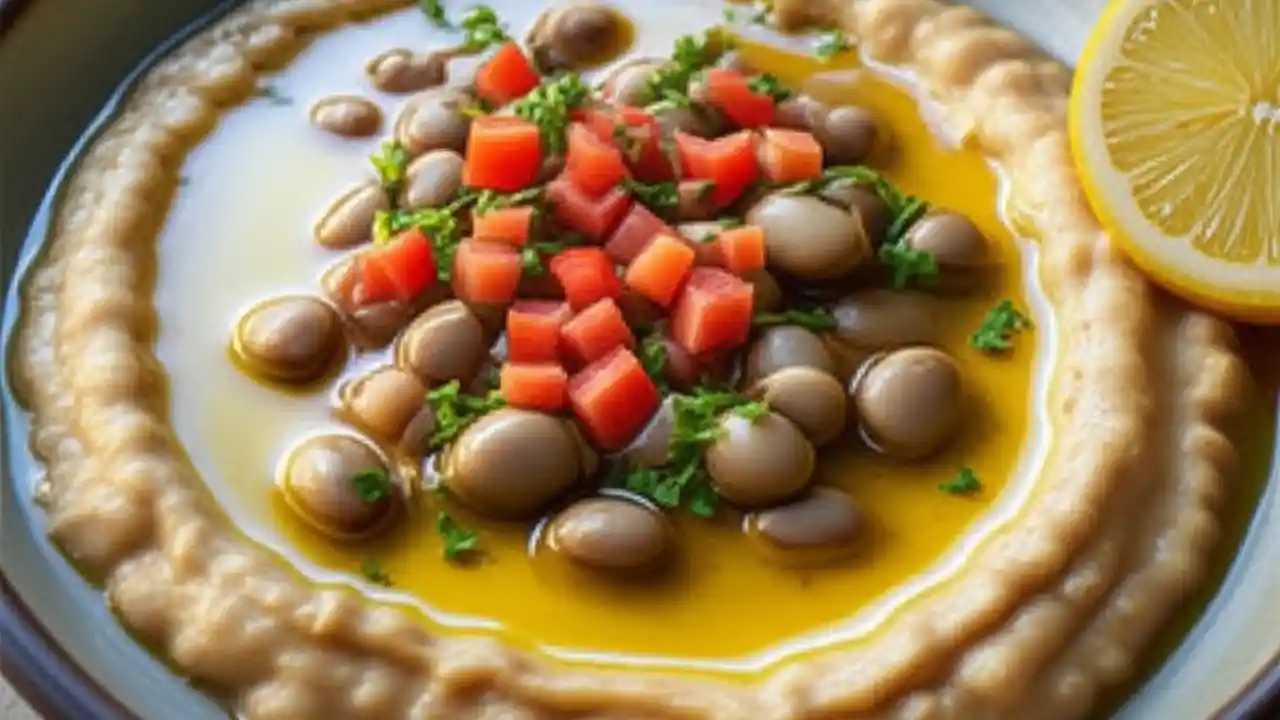
Master the Creamy Egyptian Ful Medames (Dried or Canned)
Few dishes hold the cultural weight and universal appeal of Ful Medames. This humble yet hearty fava bean stew is more than just a meal; it's a staple, a tradition, and a beloved cornerstone of Middle Eastern and North African cuisine. From the bustling streets of Cairo to family tables across the Levant, ful medames (also spelled foul mudammas or simply ful) embodies a rich history and a comforting, nourishing experience. Whether you're seeking a filling breakfast, a fortifying brunch, or a satisfying vegetarian main, mastering this classic ful medames recipe is a culinary journey well worth taking. In this comprehensive guide, we'll delve into the secrets of authentic Egyptian ful, offering methods for both the traditional dried fava beans and the convenient canned variety.
The Enduring Legacy of Ful Medames
Often hailed as Egypt's national dish, ful medames boasts a heritage that stretches back to the time of the pharaohs. Its widespread popularity has earned it affectionate monikers like "the rich man's breakfast, the shopkeeper's lunch, and the pauper's supper," a testament to its democratic appeal across all societal strata. This simple, vegan stew of cooked fava beans, generously flavored with garlic, lemon, and spices, offers a nutritional powerhouse. It's particularly cherished during Ramadan, serving as a vital and sustaining meal for sahur (the pre-dawn meal) due to its impressive content of complex carbohydrates, protein, and fiber, ensuring lasting energy throughout the day.
While the core ingredients remain consistent – fava beans, garlic, extra virgin olive oil, and lemon juice – the beauty of ful medames lies in its adaptability. Variations abound, reflecting regional tastes and individual preferences. Some prepare it with mashed beans, others keep them whole; some incorporate tahini or chickpeas, while a myriad of toppings transforms each serving into a unique culinary canvas. Today, we focus on the distinctly creamy and full-flavored Egyptian style, often seasoned generously with ground cumin and perfect for scooping up with warm pita bread.
Fava Beans: The Heart of the Dish
At the very core of any great ful medames recipe are fava beans, botanically known as Vicia faba. These ancient legumes, also referred to as broad beans or horse beans, are one of the earliest cultivated crops globally. When we talk about ful, we're typically referring to the dried, mature seeds of smaller-seeded varieties, which Egyptians affectionately call ful hammam (or bath fava) – a nod to their traditionally slow, overnight cooking in large copper pots, much like a warm bath.
While the tender, young green fava beans are a spring delight, fleetingly available in their pods, it's their dried and canned counterparts that make ful medames an accessible dish year-round. These dried beans are not only convenient but also packed with nutritional benefits, offering a rich source of complex carbohydrates for sustained energy, plant-based protein essential for muscle health, and dietary fiber vital for digestion. Understanding these versatile legumes is the first step towards mastering your ful medames.
Traditional vs. Convenient: Cooking Methods for Your Ful Medames
The journey to perfect ful medames can take two distinct paths: the time-honored method of slow-cooking dried fava beans or the modern convenience of canned beans. Both yield delicious results, catering to different schedules and preferences.
Mastering Dried Fava Beans: The Authentic Way
For those seeking the deep, earthy flavor and wonderfully tender texture that only slow-cooked beans can provide, starting with dried fava beans is the way to go. This method requires a bit more foresight but promises a deeply rewarding experience.
- Preparation: Begin by carefully picking through your dried fava beans to remove any small stones or debris. Rinse them thoroughly under cold water.
- Soaking: This crucial step rehydrates the beans, reducing cooking time and aiding digestion. Submerge the cleaned beans completely in water and let them soak overnight (8-12 hours). After soaking, discard the water and rinse the beans again.
- Cooking Methods:
- Pressure Cooker: This is a fantastic modern shortcut for achieving traditional tenderness. Add the soaked and rinsed beans to your pressure cooker. A general ratio is 2 cups of water for every cup of dry beans. Lock the lid, bring to high pressure, then reduce heat and cook for approximately 30 minutes. Allow the pressure to release naturally for about 10 minutes, or quick-release by running cold water over the cooker for 3 minutes before opening.
- On the Hob (Stovetop): For a truly traditional experience, place the soaked and rinsed beans in a large pot with a fresh batch of water. Bring to a boil, then reduce the heat to a low simmer. Cook for 1 to 1.5 hours, or until the beans are exceptionally tender. This slow simmer allows the flavors to deepen beautifully.
Speedy Canned Fava Beans: A Modern Solution
Life can be busy, and sometimes the craving for ful medames strikes without hours to spare. This is where canned fava beans become your best friend. They offer a wonderfully convenient and still incredibly delicious alternative. For a detailed guide on this quick method, check out our Easy Egyptian Ful Medames: Canned Fava Bean Recipe.
- Preparation: Simply open your cans of fava beans. Pour the beans into a colander and rinse them thoroughly under cold water. This helps remove excess sodium and any canning liquid, ensuring a fresher taste.
- Heating: Transfer the rinsed beans to a saucepan. Add about two cups of water (or vegetable broth for added flavor) and place on the hob over low heat. Allow them to simmer gently for 10-15 minutes, until heated through and softened further. This also provides a chance for them to absorb more liquid and become creamier.
Crafting Your Egyptian Ful Medames: Core Ingredients and Flavor Profile
Regardless of whether you choose dried or canned fava beans, the magic of Egyptian ful medames truly comes alive with its characteristic seasonings. The key is balance and generosity with flavor. Here’s how to build that iconic taste:
- Garlic: Freshly minced garlic is non-negotiable. Its pungent aroma mellows into a warm, foundational flavor as it lightly cooks with the beans.
- Lemon Juice: Bright, zesty lemon juice cuts through the richness of the beans, adding a crucial tang that lifts the entire dish. Always use fresh lemon for the best results.
- Extra Virgin Olive Oil: A generous drizzle of good quality extra virgin olive oil is vital. It adds a luxurious mouthfeel and carries the flavors beautifully. Some recipes incorporate olive oil during cooking, while others reserve a final flourish for serving.
- Ground Cumin: This is the secret weapon for authentic Egyptian ful. Ground cumin provides that distinctive earthy, warm, and slightly peppery flavor that defines the dish. Don't be shy with it!
- Seasoning: Salt and black pepper to taste are essential. Consider a pinch of chili flakes or a tiny bit of cayenne pepper for a subtle kick, if you enjoy a little heat.
Once your beans are tender (either slow-cooked or heated from a can), you'll typically mash some of them, leaving others whole for textural contrast. Then, the garlic is often lightly sautéed in olive oil before being mixed with the beans, lemon juice, cumin, and other seasonings. The result should be a creamy, robust, and deeply satisfying stew.
Unleash Your Creativity: Toppings and Variations
One of the most exciting aspects of ful medames is the endless array of toppings and variations. While the base ful medames recipe is delicious on its own, garnishing it transforms it into a personalized masterpiece. Here are just a few ideas to inspire your culinary creativity:
- Fresh Herbs: Chopped fresh parsley or coriander (cilantro) add vibrant color and a burst of freshness.
- Fresh Vegetables: Diced tomatoes, sliced cucumbers, or thinly sliced radishes provide a refreshing crunch.
- Pickled Delights: Pickled peppers or mixed pickled vegetables offer a tangy counterpoint that many adore.
- Eggs: Hard-boiled eggs, fried eggs, or even scrambled eggs are popular additions, especially for a heartier meal.
- Other Legumes: Some variations include chickpeas for added texture and protein.
- Dips & Sauces: A swirl of tahini (sesame paste) adds a nutty creaminess, while a spicy chili sauce or shatta can provide a fiery kick.
- Middle Eastern Staples: Serve alongside Egyptian falafel for the ultimate breakfast platter, or even a spoonful of tabbouleh for a fresh, herbaceous salad element.
- Extra Oil: A final generous drizzle of extra virgin olive oil before serving is customary and enhances the richness.
The beauty is in the customization. Feel free to mix and match according to your preference and what you have on hand. Every household, and indeed every person, has their preferred way of enjoying ful.
Conclusion
From its ancient origins to its modern-day ubiquity, ful medames remains a testament to the power of simple, wholesome ingredients transformed into something extraordinary. Whether you opt for the slow, contemplative method of cooking dried fava beans or the quick, convenient route with canned ones, the result is a nourishing, flavorful, and incredibly versatile dish that transcends cultural boundaries. With its creamy texture, vibrant flavors of garlic and lemon, and warming spices, Egyptian ful medames is not just a meal; it's an experience waiting to be savored. So, gather your ingredients, choose your method, and embark on your journey to master this beloved Middle Eastern classic.
